 Home Decor
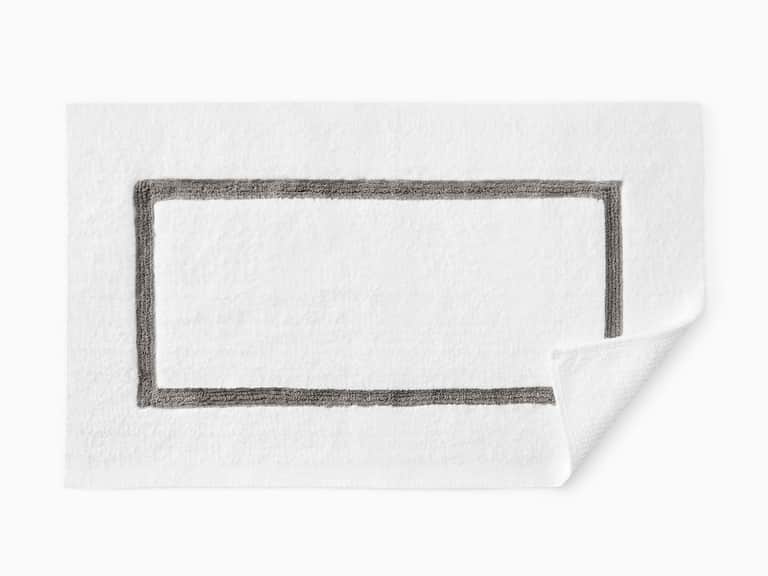
Lindo Bath Rug
Step onto a soft, durable cotton rug with a non-slip backing for steady, cozy mornings by the sink or shower, and enjoy colorfast yarn-dyed nap that stays vibrant wash after wash.
Rugs serve as functional and decorative elements that define room scale, texture, and warmth. In the Rugs category, materials range from natural fibers to engineered blends, offering considerations for durability, softness, and maintenance. Understanding fiber types, weave patterns, and backing helps align a rug with foot traffic, humidity, and room purpose, ensuring long-term performance.
Key features to evaluate include pile height, tufting method, and pile density, which influence plushness, resilience, and ease of cleaning. Low-profile rugs are suitable for high-traffic areas and under furniture, while medium to high pile adds comfort and sound absorption in living and sleeping spaces. Proper underlayment enhances stability and longevity.
Functional benefits of rugs extend beyond aesthetics: they define zones, protect floors, and improve acoustics by dampening noise. Depending on placement—entryways, bathrooms, bedrooms—consider moisture resistance and stain tolerance. Rugs with antimicrobial treatments or natural fibers can contribute to hygiene and comfort in daily use.
Among notable options in this category is the Lindo Bath Rug, designed to balance absorbency and quick-drying performance for bathroom environments. Its features typically include a soft, cushioned surface, non-slip backing for safety, and durable construction to withstand daily use and laundering cycles.
For informed selection, pairing rug characteristics with room function is essential. Consider color, pattern, and scale in relation to existing textiles such as bedding, pillows, and sheets to achieve cohesive décor. Knowledge of fiber care, humidity considerations, and laundering recommendations helps maintain appearance and utility over time.
Home Decor