Linen in Everyday Life: Care, Crafts, and Sustainable Practice
A Vogue-flavored exploration of linen as a daily material — from its properties and care rituals to simple, stylish crafts and the sustainability story behind it.
A Brief Portrait of Linen in Daily Life
Linen has long held a place of quiet luxury in households and ateliers around the world. Its fibers, derived from the flax plant, carry a lineage that spans centuries, yet their practical virtues remain as relevant as ever. Breathability, moisture-wicking, and a softening hand with age make linen not just a fabric but a daily ritual—one that invites slower, more intentional living. In today’s fast-paced world, linen offers a sustainable anchor: durable, repairable, and capable of aging gracefully without compromising comfort.
In this feature, we explore linen as an everyday material for bedding, clothing, and home textiles. We’ll compare its performance with other common fibers, unpack care routines that extend its life, and share beginner-friendly crafts that celebrate linen’s texture and versatility. Along the way, we’ll spotlight brands and lifecycle considerations that help readers make informed, sustainable choices.
Linen Properties: What Makes It Stand Out
Linen is buoyed by physiology and physics: flax fibers deliver a fabric that breathes, wicks moisture, and stays cool. Its natural stiffness can lend crisp drape, smoothing as it wears. Yet linen’s beauty lies in its evolution: it softens with every wash and wear, revealing a warmth that is tactile rather than flashy. The fiber’s structure—bast fibers bound with natural strength—gives linen remarkable durability, which translates into long lifespans for bedding, robes, towels, and garments.
When compared with cotton or synthetic blends, linen often presents a balanced profile: less prone to pilling, superior moisture management, and a texture that reveals character with use. It’s not about an instantaneous pristine surface; it’s about a material that builds a story through wrinkles, patina, and a gentle, unforced glow.
The editorial canon of Linen Life also extends into sustainability. Linen’s flax baseline can be grown with relatively modest pesticide inputs, and aging linen is inherently recyclable and biodegradable. Sourcing transparency—from mills that trace the flax to France or Belgium to European textile partners—helps shape a responsible purchase that aligns with mindful consumer values.
Care and Maintenance: Quick-Care Cheat Sheet
Linen Sheets & Pillowcases
- Washing: Warm or cold water (30–40°C/86–104°F) with a mild detergent.
- Drying: Line dry if possible; if using a machine dryer, opt for low heat and remove while still slightly damp to reduce wrinkles.
- Ironing: If desired, iron while damp on cotton setting; or skip for a natural textured finish.
- Wrinkle management: A simple spritz of water can help relax fibers for a fresh look.
- Care note: Avoid chlorine bleach; use minimal detergent to prevent residue buildup.
Linen Garments & Home Textiles
- Washing: Delicate settings for garments; use mild detergents; avoid fabric softeners if you want maximum breathability.
- Blends: Linen-cotton blends can offer the best of both worlds—comfort, ease of care, and flowy drape.
- Storage: Ensure textiles are completely dry before storage to prevent mildew.
- Spot care: Blot stains gently; treat with a light stain remover rather than aggressive solvents.
- Sustainability note: Seek GOTS or OEKO-TEX certifications for textiles that prioritize low-impact production.
Beginner Linen Crafts: Simple, Elegant Projects
Crafting with linen is a meditation in texture and craftmanship. For beginners, the emphasis is on clean lines, precise cutting, and careful finishing. Linen’s natural resilience rewards thoughtful construction with durable, lasting results.
- Napkins: Start with a 12–14 inch square or a rectangular format. Hem twice for durability; consider a narrow hem for clean lines.
- Tote bag: A simple, sturdy linen tote with reinforced handles can be a functional introduction to seam techniques and edge finishing.
- Table runner: A longer linen runner with a single hem creates an elevated dining experience that is easy to care for.
Pattern alignment and grain awareness are essential. Set your fabric with a crisp, straight grain, mark your seams precisely, and use French seams or clean finishes to preserve linen’s natural texture.
Sustainability Snapshot: Lifecycle and Sourcing
Responsible linen sourcing hinges on transparency, traceability, and the lifecycle of flax fibers. Leading mills, such as Libeco and European linen producers, offer insight into farming practices, retting processes, and spinning stages. Consumers can assess lifecycle impacts through certifications, the presence of long-term fiber supply, and a mill’s track record for durable, repairable textiles.
A practical approach is to favor products with clear origin stories: linen woven in Portugal, flax grown in France, and mills with century-scale expertise. This combination often yields fabrics that age gracefully, with a natural creasing that speaks to linen’s authenticity rather than a forced, machine-pressed perfection.
A Vogue-Riff: Three Key Figures in Linen’s Story
Linen’s enduring charm crosses time and geography. Here are three influential figures from distinct eras whose work with linen embodies the material’s elegance and cultural resonance.
Catherine de Médicis (1519–1589) — Renaissance Patronage
In the opulence of the French Renaissance, linen was a staple of courtly life—from linens for grand banquets to exquisite table textiles that echoed the era’s refinement. Catherine de Médicis’s patronage helped elevate textile crafts, including linen weaving and embroidery, elevating linen from utilitarian to symbol of aristocratic taste. Her era reminds us that linen’s beauty often begins with the hands that spin, weave, and finish it, turning simple fibers into heirloom-worthy pieces.
Marie Curie (1867–1934) — Science Meets Textile Sustainability
While not a textile scientist herself, Curie’s relentless pursuit of knowledge mirrors the modern stewardship of linen: a material whose science—fiber properties, retting processes, and sustainable farming—continues to inform better practices. Linen’s story in the 20th century aligns with women in science who understood the value of durable, ethical, and recyclable materials—principles that still guide sustainable textile discourse today.
Jane Birkin (1946–2023) — The Quiet Rebellion of Everyday Luxury
Birkin’s style—unfussy, natural, and impeccably chic—resonates with linen’s core ethos: a fabric that wears beautifully without fuss. Linen garments and home textiles echo Birkin’s approach to fashion and life: effortless, enduring, and eternally in good taste. Her legacy invites readers to embrace linen as a lifestyle choice that honors both comfort and elegance.
Product Spotlight: Lipe New Robe
Feature
Lipe New Robe
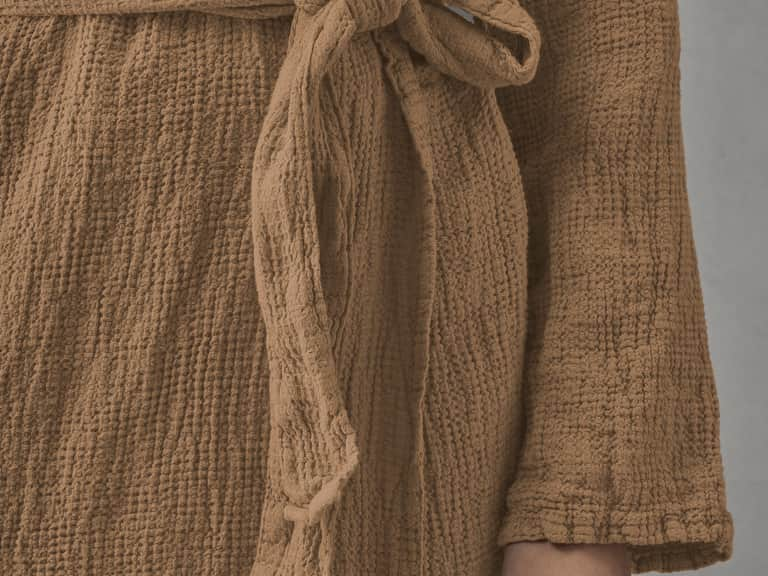
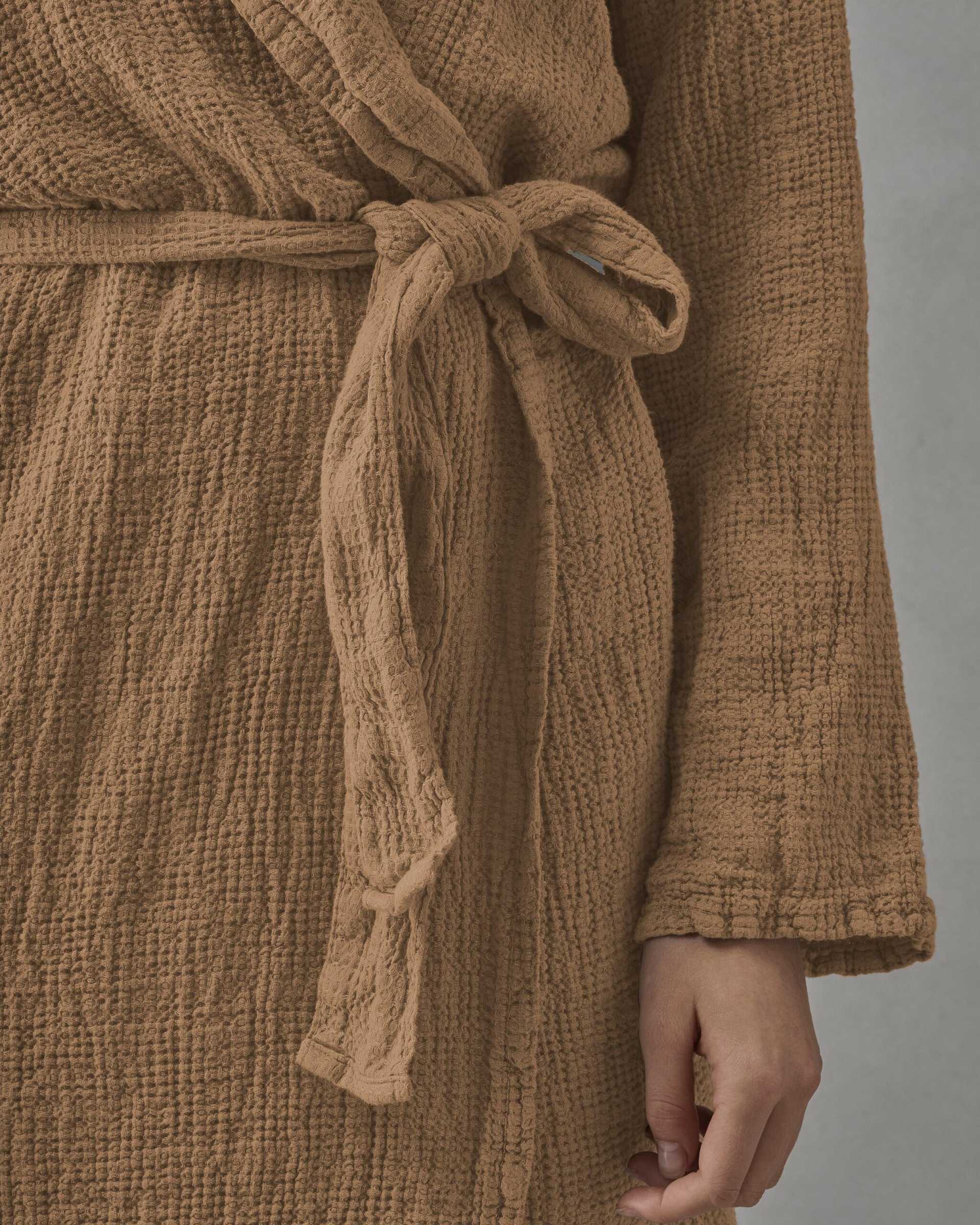
Linen 100% waffle weave bathrobe with a practical shawl collar. Hypoallergenic, absorbent, and quick-drying for a lightweight, durable everyday layer.
The Lipe robe embodies linen’s ability to merge practicality with quiet luxury. Its three-dimensional waffle weave offers a tactile, dry-hand feel that remains lightweight for daily wear. The robe’s fiber choice emphasizes breathability and longevity, a perfect capsule piece for a modern wardrobe that values ease, function, and tactile texture.
Acknowledging its origin from Society Limonta’s atelier, the robe is a reminder that linen can be both indulgent and utilitarian, a signature balance that elevates everyday rituals—from morning routine to post-shower unwind.
Note: The Lipe New Robe is showcased here with its (high-resolution) product imagery to illustrate the texture of the waffle weave. Images depict the robe in Canyon, Mastice, Crag, and other nuanced tones across a refined collection. For visual reference, see the product gallery linked in the sidebar.
Glossary and Quick Reference
To help readers navigate linen-specific terminology, here are concise definitions:
- Flax: The plant fiber from which linen is spun.
- Bast fibers: Fibers from the plant stem used in linen production.
- Retting: A process to separate fibers from the stalk.
- Tow vs. scutching: Carbonized vs. refined fiber states during processing.
- Hemstitch: A decorative/functional stitch that secures hems and edges.
Navigation and How to Explore More
This guide is a starting point for a broader Linen Life—an editorial space dedicated to the education of linen as a material, the craft of working with it, and the ongoing conversation about sustainability. Future articles can expand into deeper dives on fiber science, care diagnostics, and regional linen histories.
If you’d like, I can draft a starter content plan (topic list for the first 12 articles), a simple site map, and suggested navigation labels to help you launch.
Takeaway
Linen is not merely a fabric; it is a practice. With mindful care, thoughtful sourcing, and approachable craft, linen becomes a daily luxury that respects people, place, and planet.